Back to 2025 Abstracts
Goblet Cell Adenocarcinoma of the Appendix: A Single-Center Retrospective Study of Disease Course and Recurrence Patterns
Kayla R. Widdowson
*1, Arianna Markel
1, Max D. Hazeltine
2, Sebastian K. Chung
1, Nichita Kulkarni
1, Camille Briskin
1, James M. Lindberg
11Surgery, UMass Chan Medical School, Worcester, MA; 2City of Hope, Duarte, CA
Introduction:Goblet cell adenocarcinoma (GCA) of the appendix is a rare, aggressive malignancy with both neuroendocrine and adenocarcinoma features. Due to its rarity, studies that characterize the disease and inform treatment guidelines are limited. This study aims to characterize the natural disease course and recurrence patterns at a tertiary care center. We hypothesized that recurrence would be more frequent in patients with higher tumor grade, advanced stage, and metastasis, and that recurrent tumors would predominantly exhibit adenocarcinoma features.
Methods: A single institution retrospective review examined cases of GCA from 2019 to 2024. Clinical and pathologic data were extracted from the medical record. Statistical analysis included Wilcoxon rank-sum test, Fisher's exact test, and Kaplan-Meier survival analysis.
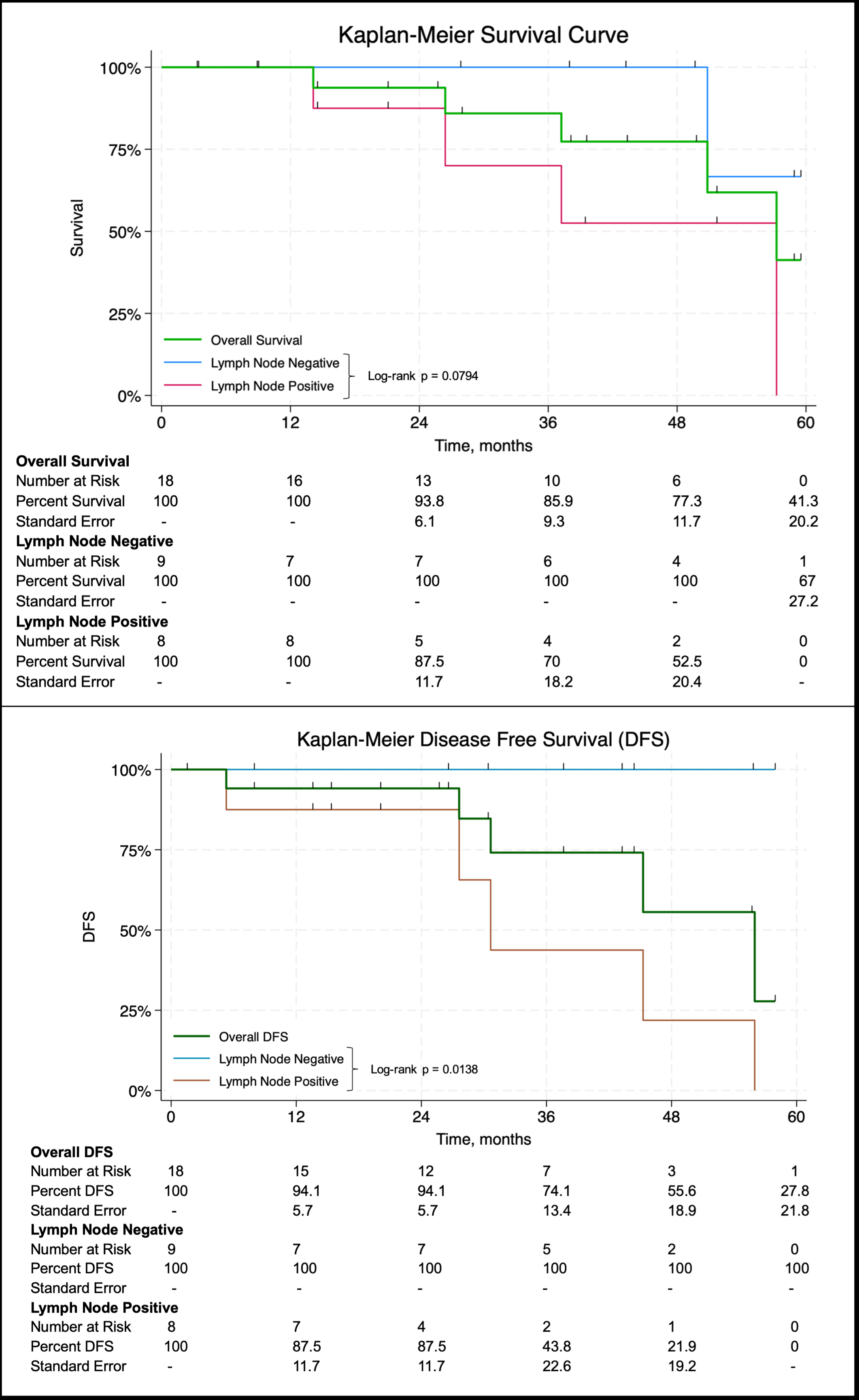
Results: Eighteen cases of GCA were identified with median follow up of 29 months (IQR: 20-45). Appendicitis was the most common presentation (44%). Most patients (61%) had stage IV disease, which presented variably, often with abdominal discomfort and fullness (36%). In contrast, all stage II cases presented with appendicitis, and all stage III cases were detected via screening colonoscopy. Recurrence occurred in five patients (28%), all with stage IV disease treated with cytoreductive surgery and heated intraperitoneal chemotherapy (CRS/HIPEC), primarily as local or intraperitoneal recurrence. Chemotherapy was administered in all patients with stage III and IV disease with 50% of patients receiving chemotherapy in the neoadjuvant setting. Lymph node (LN) positivity was significantly associated with recurrence (p = 0.009). There were no recurrences in those with low grade tumors. 57% of patients with moderate grade tumors and 13% of patients with high grade tumors had recurrence. Three patients with recurrence exhibited mucin-producing adenocarcinoma on repeat biopsy. Estimated 5-year survival was 41.3% and disease-free survival (DFS) was 27.8%. LN negativity was associated with 100% 5-year DFS and 67% overall survival, whereas LN positivity was associated with 0% 5-year DFS and overall survival.
Conclusions: GCA of the appendix is a rare malignancy with aggressive behavior. We observed that lymph node metastasis was a significant predictor of disease recurrence and overall survival. Additional factors contributing to more frequent recurrences included metastatic disease at diagnosis and high-grade tumor morphology. This study contributes to the limited data set regarding GCA behavior and the outcomes observed underscore the need for future prospective studies exploring novel treatment strategies.
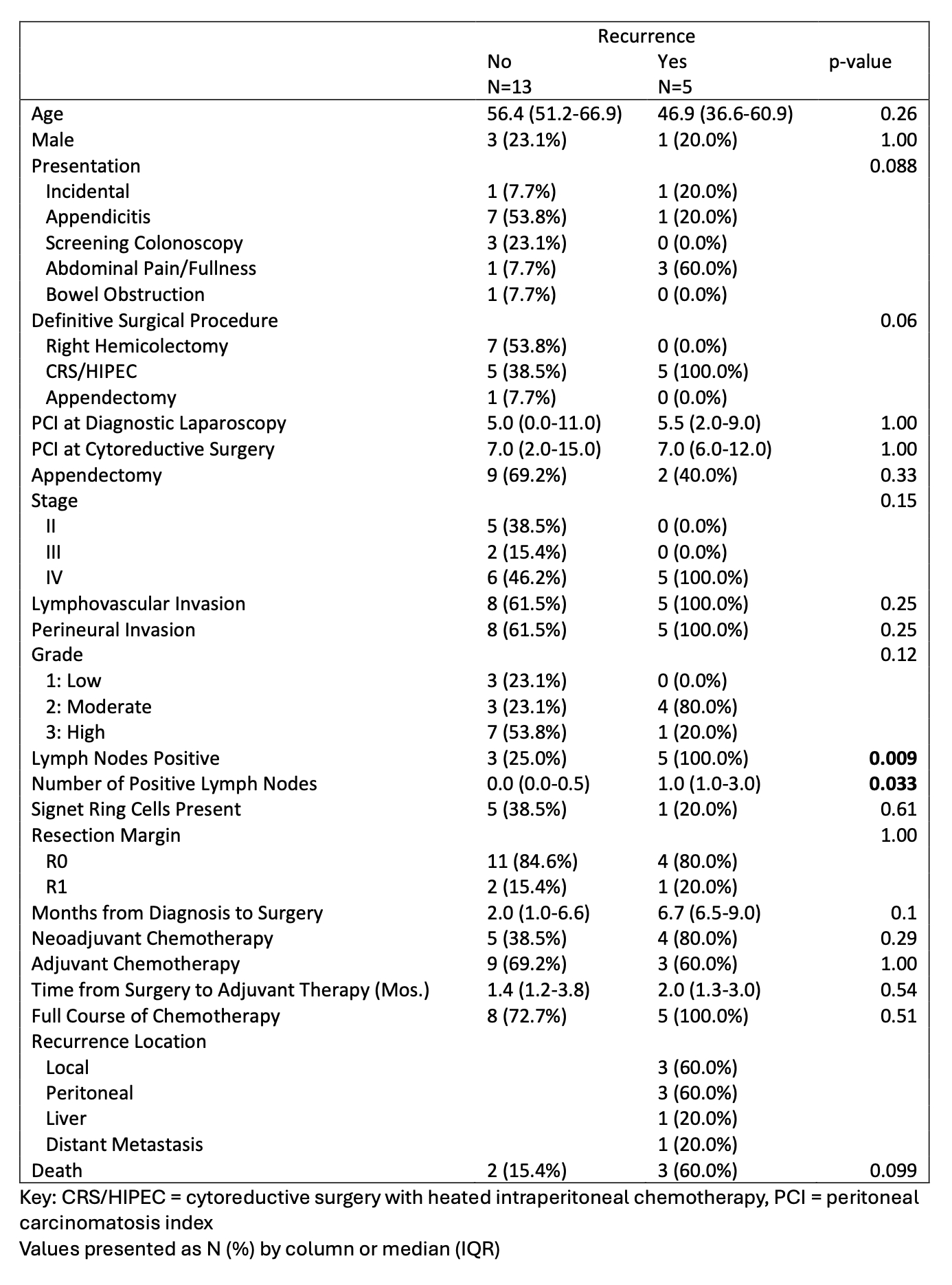
Table 1: Comparison of Clinical and Pathological Characteristics Between Patients with and Without Recurrence